🗺️ What to See near Pliego — The Area
The house sits in a strategic spot in inland Murcia: at the foot of Sierra Espuña and in the heart of the Río Mula region. Within half an hour you'll find towns with centuries of history, thermal baths, a wine route, natural swimming pools and one of the holy cities of the world. This is our guide to the area, with driving times from the house.
🏰 Pliego, our village
Pliego preserves the street layout of its Moorish past: narrow lanes climbing towards the Castillo de Pliego and the Castillo de las Paleras (12th century), the Church of Santiago Apóstol (1667, a National Historic-Artistic Monument) and the Calle del Agua, with the Fuente de los Caños fountain as the village's traditional meeting point.
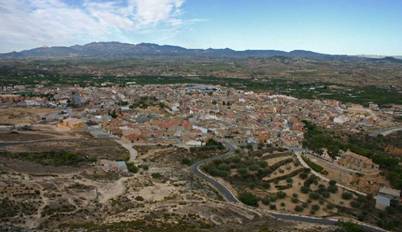
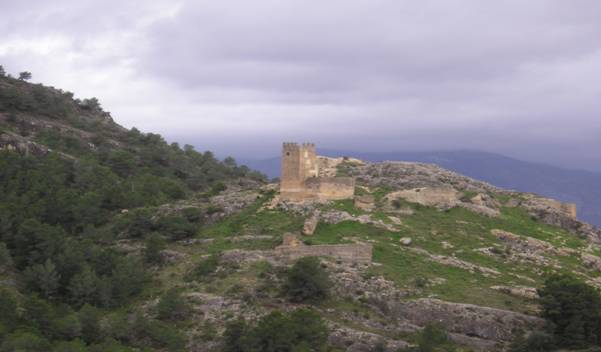
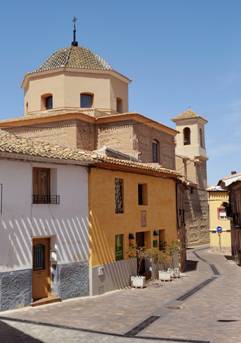
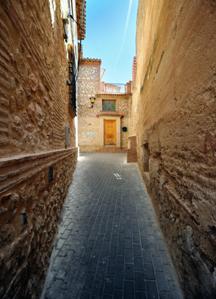
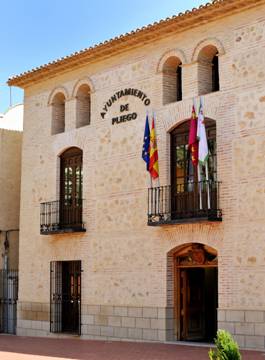
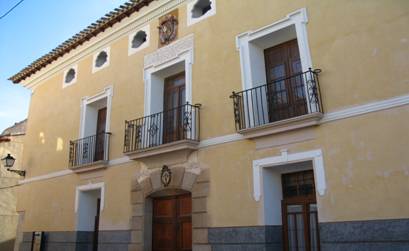
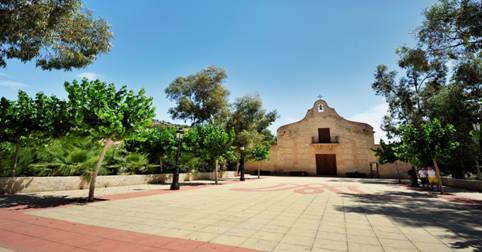
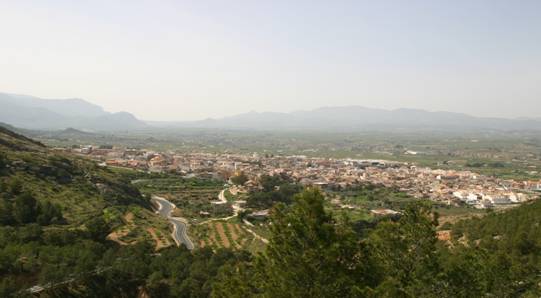
As you stroll through the village, stop at the Town Hall, the Casa de la Tercia (18th century), the hermitage of the Virgen de los Remedios — the village's patron saint, honoured in the September festivities — and the El Cariel viewpoint, with the village and the valley at your feet.
But the lesser-known treasure lies in the countryside: La Almoloya, an Argaric culture site (Bronze Age, around 4,000 years old) that made international headlines when a silver diadem was found in one of its graves — belonging to a high-ranking woman, a unique piece that changed what we knew about female power in European prehistory. The site is considered one of the most important Argaric settlements in the Iberian Peninsula.
And underground, the Sima de la Higuera, one of Spain's most highly rated caves among speleologists — find out how to visit it on our Activities page.
🏯 Mula: castle, museums and thermal baths
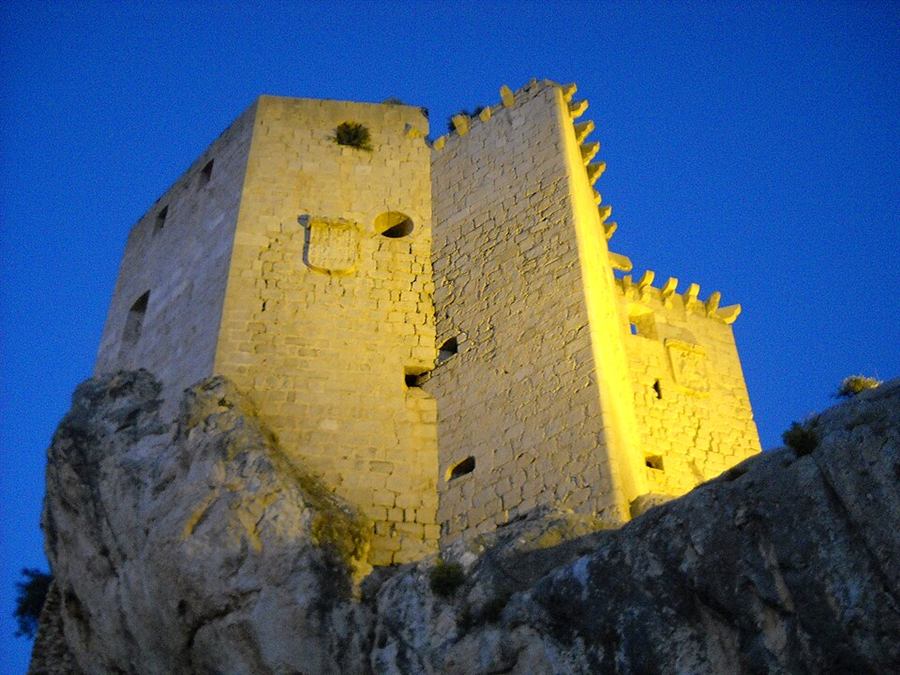
Mula is the capital of the region and you can see it from afar: the Castillo de los Vélez (16th century) crowns the hill above an old quarter of baroque churches and stately homes that deserves an unhurried stroll.
Two unmissable stops:
- El Cigarralejo Museum of Iberian Art — one of the finest collections of Iberian culture in Spain, housed in an 18th-century palace.
- The Mula thermal baths — hot springs used since Roman times. Several establishments in the hamlet offer baths in naturally hot pools: the perfect plan for a winter afternoon.
If you visit during Easter week, the Noche de los Tambores (Night of the Drums, from Holy Tuesday to Holy Wednesday) is an experience you won't forget: thousands of drums beating together all night long. Spain's drumming traditions, with Mula among them, are UNESCO Intangible Cultural Heritage.
Very close to Mula is Fuente Caputa, a spot with crystal-clear rock pools — ideal for a short walk with a swim included in the warmer months.
🍷 Bullas: the Wine Route and the Salto del Usero
Bullas is wine country with its own designation of origin: D.O. Bullas, specialising in the Monastrell grape. The Bullas Wine Route takes you to both centuries-old and modern wineries, tastings included, and the Wine Museum — set in an old winery — tells the story of the region's winemaking tradition.
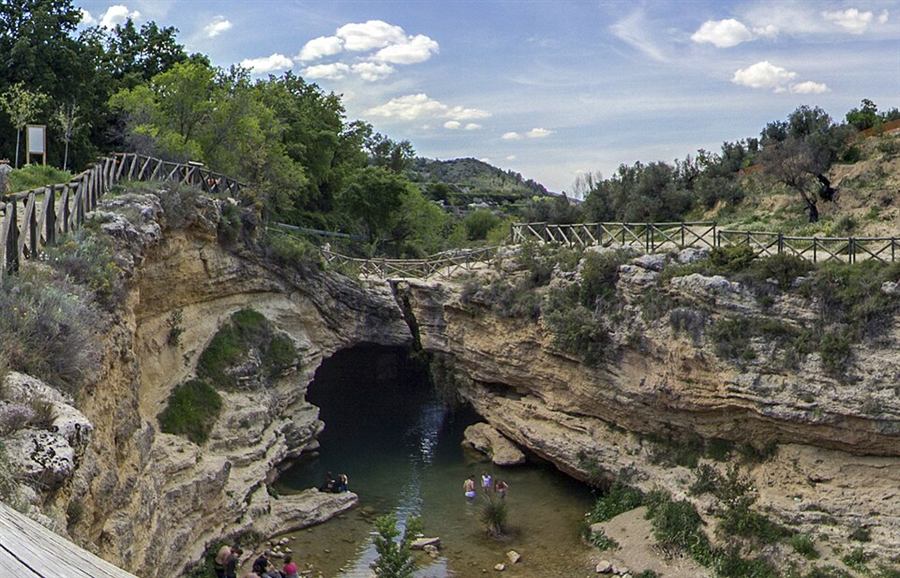
The other big draw is natural: the Salto del Usero, a waterfall on the River Mula that has carved a circular pool beneath a rock vault. It's one of the most photographed spots in the Region of Murcia and a summer swimming classic (arrive early in July and August: it gets busy).
💡 Our favourite full-day plan: a winery visit with tasting in the morning, lunch in Bullas and an afternoon swim at the Salto del Usero.
⛰️ Aledo and Totana, on the other side of the sierra
Skirting Sierra Espuña to the south you reach Aledo, a walled medieval village perched on a rocky outcrop. Its Torre del Homenaje keep and the viewpoint over the Guadalentín valley are worth the trip on their own; at sunset, the light is spectacular.
Totana, at the foot of the sierra, is famous for its pottery tradition — its workshops still produce ceramics as they have for centuries — and for the Sanctuary of La Santa (Santa Eulalia), nestled on a pine-covered hillside, with a guesthouse and views over the entire plain.
🚗 Day trips
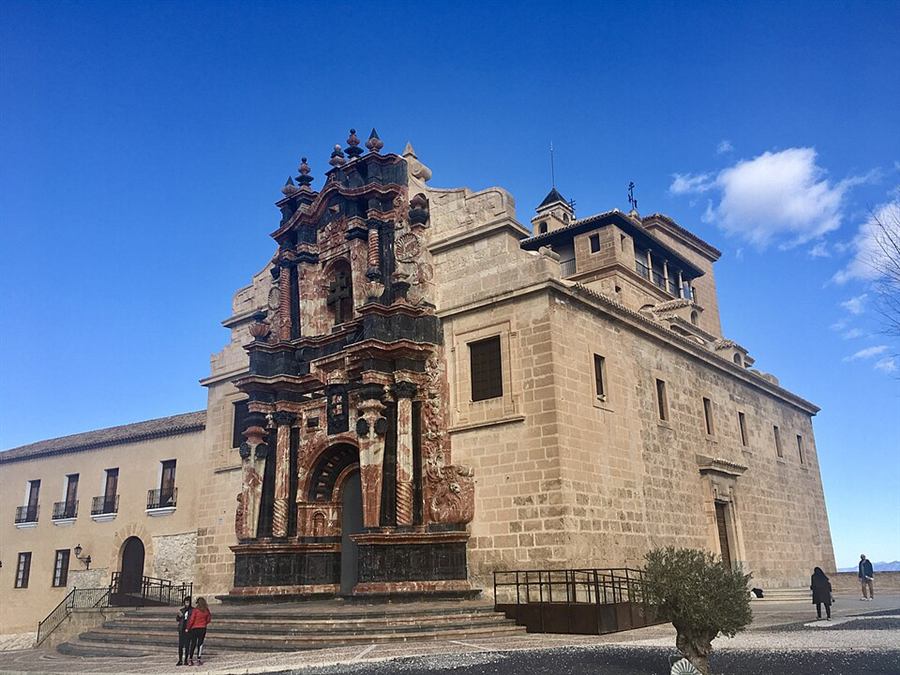
- Caravaca de la Cruz (~40 min) — one of the five holy cities of the world, alongside Rome, Jerusalem, Santiago and Santo Toribio. The Basilica of the Vera Cruz houses the relic of the Cross, and in early May the Caballos del Vino (Wine Horses, UNESCO Intangible Heritage) fill the town with horse races and spectacular embroidery.
- Murcia city (~30 min) — the Cathedral with its baroque façade and bell tower, the Real Casino, and tapas around Plaza de las Flores. A city for strolling and eating well.
- Lorca (~45 min) — the "City of the Sun": the Fortaleza del Sol castle, baroque palaces and the embroidery of its Easter processions, complete with the rivalry between the White and Blue brotherhoods.
- Cartagena (~1 h) — the Roman Theatre is one of Spain's most impressive archaeological sites; add the harbour, the naval museums and the modernist architecture.
- Mazarrón coast and Bolnuevo (~50 min) — if a beach day appeals in the middle of your rural escape, the Gredas de Bolnuevo (natural sandstone sculptures by the sea) are the closest option.
🍽️ Murcian cuisine: what to try
This region eats the way it always has: market-garden produce, rice, game and woodfire. Make a note of these classics:
- Rice with rabbit and snails — the Sunday dish, cooked over vine-shoot embers.
- Migas — fried breadcrumbs or flour with pork, served with grapes in winter. A rainy-day tradition.
- Olla gitana — a market-garden stew with pumpkin, beans and pear.
- Zarangollo — scrambled courgette, onion and egg, the quintessential inland tapa.
- Paparajotes — the Murcian dessert: lemon-tree leaves in batter, fried and dusted with sugar and cinnamon (you don't eat the leaf!).
To drink: D.O. Bullas red wines (Monastrell), Murcia al Vino cheese (P.D.O., goat's cheese cured in red wine) and mountain honey and almonds.
🎉 Local festival calendar
- 2 February — La Candelaria (Pliego)
- Carnival — popular celebrations in Pliego and the surrounding towns
- Easter week — processions in Pliego and Mula's Night of the Drums (Holy Tuesday)
- 25 April — San Marcos, the "día de la mona": a traditional countryside picnic day (Pliego)
- 1-5 May — Vera Cruz festivities and the Wine Horses (Caravaca de la Cruz)
- 8 September — patron saint festivities of the Virgen de los Remedios (Pliego)
- September-October — grape harvest and wine festivals in Bullas
All of this, from a house with a pool in the mountains
Make Paraje La Venta your base and explore the region at your own pace